
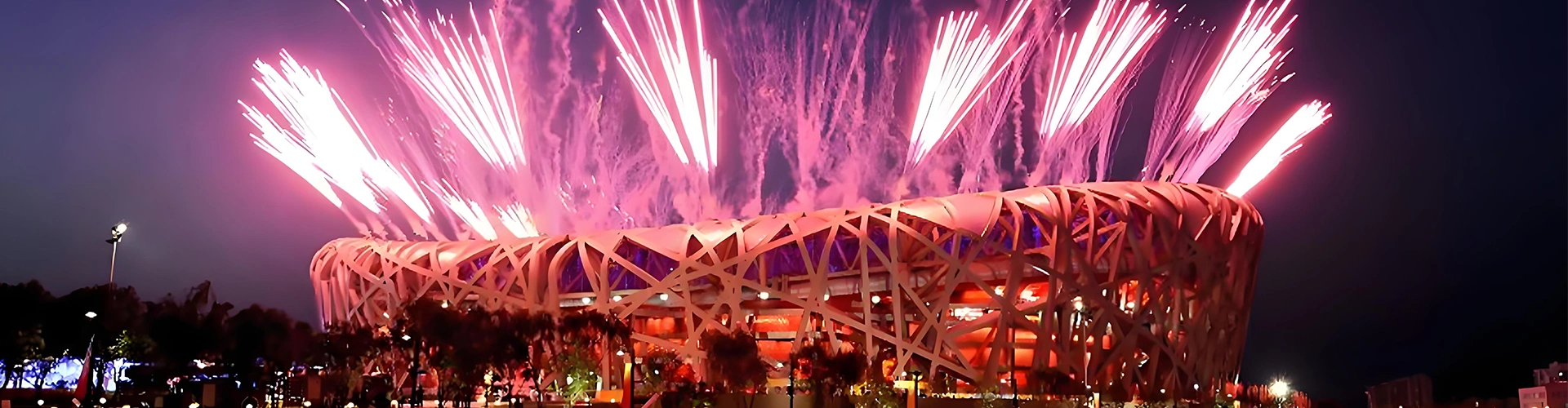
Selecting stadium lighting is not simply a matter of choosing a high-wattage fixture. A professional sports venue needs sufficient illuminance, consistent light distribution, controlled glare, suitable colour rendering, dependable thermal management and, where required, broadcast-ready performance. An 1800w led stadium light can provide the high optical output needed for demanding outdoor sports applications, but its real value depends on how the fixture is designed and how the complete lighting system is planned.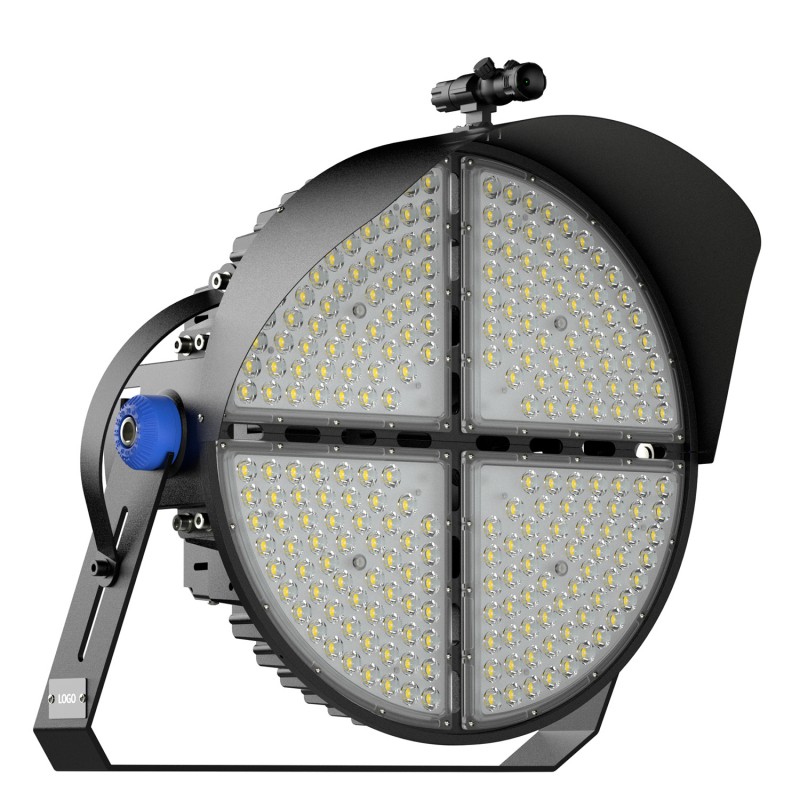
Table of Contents
- What Does an 1800W Stadium Light Actually Mean?
- Why Is 1800W Suitable for Large Sports Venues?
- What Specifications Should Be Checked?
- Why Do Uniformity and Glare Matter?
- How Do Optics and Beam Angles Affect the Field?
- How Should Broadcast Requirements Be Considered?
- How Should an 1800W System Be Planned?
- What Purchasing Mistakes Should Be Avoided?
- How Can Long-Term Performance Be Maintained?
- Frequently Asked Questions
- Final Considerations
What Does an 1800W Stadium Light Actually Mean?
The 1800W figure describes the approximate electrical power consumed by the luminaire under its specified operating condition. It does not, by itself, tell a buyer how much useful light will reach the playing surface. Two fixtures with the same rated wattage can produce different results because LED efficiency, optical design, driver performance, thermal management and beam distribution are not identical.
For this reason, stadium-lighting procurement should move beyond a simple wattage comparison. The more useful questions concern delivered lumens, photometric distribution, mounting height, aiming angle, target lux, uniformity and glare. FIFA's stadium guidance, for example, identifies horizontal illuminance, vertical illuminance, uniformity, glare, colour rendition and colour temperature as important parts of a lighting design rather than treating brightness alone as the objective. :contentReference
In practical terms, an 1800w led stadium light is best viewed as a high-output lighting component within a larger engineered system. The final performance comes from the relationship between the fixture, optics, mounting positions and the geometry of the venue.
Why Is 1800W Suitable for Large Sports Venues?
Large stadiums and sports grounds create a demanding lighting environment. The field can be wide, the mounting points can be tens of metres above the playing surface, and the fixture may need to project light over a considerable distance. At the same time, excessive brightness in the wrong direction can create glare for players, officials, spectators or cameras.
A high-power LED fixture can reduce the number of luminaires required for certain layouts, simplify structural planning and provide strong output from high mounting positions. However, the correct quantity cannot be determined from wattage alone. A professional design normally evaluates the actual photometric file of the selected luminaire and models its placement before installation.
Typical Applications
- Football and soccer stadiums
- Athletics and track-and-field venues
- Large outdoor basketball or multipurpose courts
- Baseball and softball facilities
- Rugby and other large-field sports
- Training grounds requiring high uniformity
- Large recreational and municipal sports complexes
- Venues requiring lighting suitable for television or video production
Do not specify the fixture only as “1800W.” Ask the supplier for the complete technical datasheet, photometric file, LED efficiency, driver information, beam-angle options, operating temperature range and relevant test reports. These details allow engineers to assess the fixture as part of the actual venue design.
What Specifications Should Be Checked?
A suitable stadium luminaire needs to balance optical output, electrical performance, mechanical reliability and environmental resistance. The following specifications are particularly useful when comparing 1800W-class products.
| Specification | Why It Matters | What Buyers Should Check |
|---|---|---|
| Rated Power | Indicates electrical consumption | Confirm actual input power and operating tolerance |
| Luminous Output | Shows the amount of light generated | Check tested lumens rather than relying only on wattage |
| Optical Distribution | Determines where the light is delivered | Review beam angles and photometric files |
| Uniformity | Reduces bright and dark zones | Review simulated and measured uniformity values |
| Colour Rendering | Supports natural visual perception and camera reproduction | Check CRI/Ra and project-specific requirements |
| Glare Control | Helps protect visual comfort | Check optical shielding and calculated glare performance |
| Ingress Protection | Protects against outdoor dust and water exposure | Confirm the stated IP rating and test basis |
| Thermal Management | Affects operating stability and LED life | Review heat-sink design and temperature data |
| Driver | Controls electrical operation | Check efficiency, protection functions and dimming compatibility |
The specification should also match the venue's local electrical system, installation environment and maintenance strategy. For outdoor stadium projects, wind loading, mounting hardware, cable routing and access for maintenance can be just as important as the LED module itself.
Why Do Uniformity and Glare Matter?
High illuminance does not automatically produce good sports lighting. A field with extremely bright areas and significantly darker zones can make it harder for athletes to track fast-moving objects and can create inconsistent visual conditions for spectators and cameras.
UEFA defines horizontal and vertical uniformity using ratios such as U1 and U2. U1 compares minimum illuminance with maximum illuminance, while U2 compares minimum illuminance with average illuminance. These measurements help describe how evenly light is distributed across the reference area.
Glare is another major consideration. A powerful fixture pointed directly toward players or spectators may create discomfort even when the average lux level on the field is acceptable. FIFA therefore recommends careful consideration of luminaire positions, aiming angles, beam distribution and the location of lighting structures.
A Better Lighting Target
- Enough light: meet the illuminance required by the venue.
- Even light: minimise excessive differences across the field.
- Controlled light: keep unnecessary spill and glare under control.
- Suitable colour: provide appropriate colour temperature and rendering.
- Stable operation: maintain consistent performance throughout long operating periods.
How Do Optics and Beam Angles Affect the Field?
Optical distribution is one of the most important differences between a general-purpose floodlight and a professionally engineered stadium luminaire. A narrow beam can project light over a long distance, while a wider beam can cover a broader area. Neither is universally better; the correct distribution depends on fixture height, field dimensions and aiming geometry.
For example, a high mast located far from the pitch may require a different optical distribution from a roof-mounted fixture positioned close to the field. Using the same beam angle throughout a stadium can create unnecessary overlap in some areas while leaving other areas underlit.
This is why professional lighting calculations should be completed using the manufacturer's photometric data. FIFA specifically notes that aiming angles, beam characteristics, mast positions and stadium geometry all influence the resulting lighting system.
Before purchasing, request the IES or LDT photometric file if available. Your lighting engineer can use the file to simulate fixture quantities, mounting heights, aiming angles, lux levels and uniformity before equipment is shipped.
How Should Broadcast Requirements Be Considered?
Stadiums intended for television or professional video production have additional lighting demands. A camera does not simply record the horizontal brightness of the field. Players, officials and moving objects must remain clearly visible from multiple camera directions, which makes vertical illuminance important.
FIFA explains that vertical illuminance is particularly relevant to venues with television broadcasting and is evaluated from multiple directions. Colour rendition, colour temperature, flicker, uniformity and glare also become important considerations for broadcast environments.
UEFA's 2023 stadium lighting guidance similarly includes horizontal and vertical illuminance, uniformity, flicker, colour temperature, colour rendering and glare within its lighting requirements. Its Level A criteria, for example, specify high horizontal and vertical illuminance together with defined uniformity and glare parameters.
Therefore, a buyer should not assume that an 1800W fixture is automatically broadcast-ready. The actual driver, optical system, flicker characteristics, colour performance and photometric results need to be verified against the requirements of the intended venue.
How Should an 1800W System Be Planned?
Successful installation starts before the luminaires arrive. The lighting system should be planned around the field dimensions, surrounding structures, mast or roof locations, target illuminance, viewing directions and maintenance access.
A Practical Planning Sequence
- Define the venue: record field dimensions, surrounding stands, roof structures and available mounting positions.
- Define the lighting objective: establish whether the venue is intended for training, recreational use, competition or broadcast events.
- Set target illuminance: determine the required horizontal and, where applicable, vertical illuminance.
- Review uniformity: set the appropriate uniformity targets rather than focusing only on average lux.
- Select optics: choose beam distributions based on mounting height and aiming geometry.
- Run a photometric simulation: calculate fixture quantity, aiming direction, lux distribution and uniformity.
- Confirm structural and electrical requirements: verify mounting hardware, power supply, protection and cable capacity.
- Commission and measure: compare actual field measurements with the design targets after installation.
This approach reduces the risk of discovering after installation that the selected beam pattern produces excessive glare, uneven coverage or insufficient illumination in key areas.
What Purchasing Mistakes Should Be Avoided?
Buyers often concentrate on initial unit price and wattage because these figures are easy to compare. Stadium lighting, however, is a system-level purchase. A lower-cost fixture may require more units, more installation work or more frequent maintenance if its optical and thermal performance is unsuitable.
Common Problems
- Comparing wattage only: identical power ratings do not guarantee identical light output.
- Ignoring photometric data: without beam information, fixture quantity and aiming cannot be properly evaluated.
- Using insufficient optical control: excessive spill can create glare and waste useful light.
- Designing around average lux alone: poor uniformity can remain hidden behind an acceptable average value.
- Forgetting vertical illuminance: this can become a serious issue when the venue is intended for broadcasting.
- Underestimating thermal conditions: high-power fixtures generate substantial heat and need appropriate thermal design.
- Skipping commissioning measurements: installation results should be checked against the original lighting design.
How Can Long-Term Performance Be Maintained?
An 1800W stadium luminaire may operate for many hours in outdoor conditions, so maintenance planning should be included in the project from the beginning. Dirt accumulation, environmental exposure, electrical fluctuations and thermal conditions can affect long-term performance.
Regular inspection should cover the luminaire housing, optical lens, mounting brackets, electrical connections and control system. The optical surface should be kept clean enough to prevent unnecessary light loss. Mechanical components should also be inspected for signs of corrosion, loosening or environmental damage.
The maintenance strategy should also consider access. A fixture that is difficult or expensive to reach can increase the real operating cost of the stadium even if its initial purchase price is attractive.
A lighting project should consider maintained performance rather than only initial performance. UEFA notes that calculated uniformity can be higher than values measured after installation, which is one reason the design process should allow an appropriate margin.
Frequently Asked Questions
No. Suitability depends on the field size, mounting height, target illuminance, required uniformity, beam distribution and venue class. The fixture should be evaluated through a complete photometric design rather than selected from wattage alone.
There is no universal quantity. The number depends on the venue dimensions, mounting positions, optical distribution and required lighting levels. A photometric simulation using the actual fixture file is the appropriate way to determine the quantity.
No. Wattage represents electrical input, while useful stadium performance also depends on luminous efficiency, optics, uniformity, glare control, colour performance and installation geometry.
The appropriate beam angle depends on the mounting height, distance from the playing surface and desired coverage. Narrow, medium and wide distributions can all be useful when correctly matched to the installation geometry.
It can be used in broadcast-oriented projects, but the 1800W rating alone does not establish broadcast suitability. Vertical illuminance, uniformity, flicker, colour rendering, colour temperature and glare must be checked against the project's specific requirements.
Poorly controlled high-output fixtures can create uncomfortable brightness for players, officials, spectators or cameras. Proper aiming and optical distribution help direct useful light toward the playing area while reducing unwanted light in viewing directions.
Buyers should request the complete product datasheet, rated power, lumen output, LED and driver information, beam options, photometric file, colour specifications, operating temperature range, protection rating, mounting information, warranty terms and available test documentation.
Potentially, but the lighting design may need different quantities, aiming positions or optical distributions. Football, athletics, baseball and multipurpose venues can have different field geometry and viewing requirements.
Final Considerations
An 1800w led stadium light can be a powerful solution for large sports venues, but the most important purchasing decision is not the wattage printed on the specification sheet. The fixture must deliver useful light where it is needed, distribute that light evenly, control glare and operate reliably under the actual environmental conditions of the venue.
For projects involving professional competition or broadcasting, the evaluation should go further by considering vertical illuminance, colour performance, flicker and camera-facing conditions. Official stadium guidance from FIFA and UEFA demonstrates why modern sports lighting is assessed through a combination of illuminance, uniformity, glare and visual-quality parameters rather than a single brightness figure.
For distributors, contractors and stadium owners, the most useful approach is to provide the supplier with complete project information before selecting the final fixture. Field dimensions, mounting height, pole or roof positions, target lux levels, broadcast requirements and local electrical conditions allow the lighting manufacturer to recommend an appropriate configuration instead of simply quoting an 1800W product.
Planning a High-Output Stadium Lighting Project?
LED Orientalight CO., Limited can provide professional lighting solutions for demanding sports and large-area applications. Share your field dimensions, mounting height, installation layout and lighting requirements with the technical team to discuss a suitable 1800W-class LED stadium lighting configuration.
Need technical specifications, photometric files or a project quotation? Contact us to discuss your stadium lighting requirements.