
Why Is a 60W Post Top Solar Garden Light a Smart Choice for Outdoor Lighting?
Article Summary
Outdoor lighting plays an essential role in improving nighttime visibility, enhancing landscape appearance, and creating safer public and private spaces. However, traditional lighting systems often involve complicated wiring, rising electricity costs, and ongoing maintenance requirements. A 60W Post Top Solar Garden Light offers an energy-efficient alternative by combining solar power, LED technology, and an integrated outdoor lighting design.
This article explores how a 60W solar post top light works, its major advantages, important technical specifications, suitable applications, and practical purchasing considerations. It also explains how buyers can evaluate battery capacity, solar panel performance, lighting distribution, weather resistance, and installation requirements before selecting a reliable outdoor lighting solution.
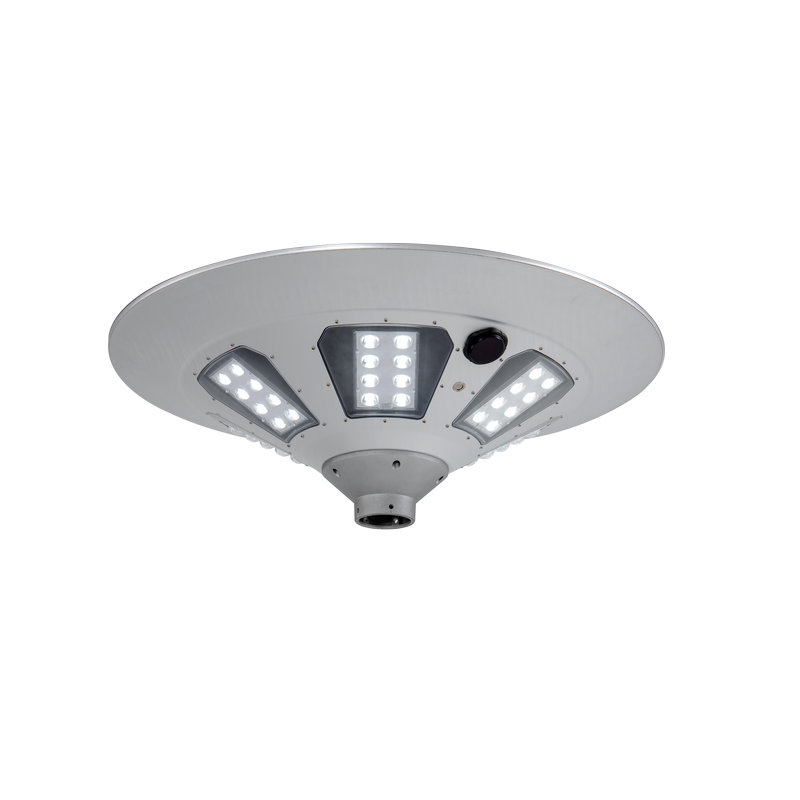
Table of Contents
- Understanding the 60W Post Top Solar Garden Light
- Why Choose a 60W Solar Garden Light?
- How Does the Lighting System Work?
- Important Technical Specifications
- Where Can Solar Post Top Lights Be Used?
- How to Choose the Right Product
- Installation Considerations
- Maintenance and Service Life
- Common Purchasing Mistakes to Avoid
- Why Work with an Experienced Manufacturer?
- Frequently Asked Questions
- Final Thoughts
◆ ◆ ◆
Article Outline
- Product fundamentals: Understand the structure and operating principle of a 60W solar post top light.
- Customer benefits: Examine energy savings, installation flexibility, and operational convenience.
- Technical evaluation: Learn which solar panel, battery, LED, and protection specifications matter.
- Application analysis: Identify suitable locations for residential, commercial, and public lighting.
- Purchasing guidance: Evaluate product quality, supplier capabilities, and long-term performance.
- After-sales considerations: Understand installation, maintenance, and common operating problems.
◆ ◆ ◆
1. Understanding the 60W Post Top Solar Garden Light
A 60W Post Top Solar Garden Light is an outdoor lighting fixture designed to be installed on top of a pole. It uses solar energy collected during daylight hours to power LED light sources after sunset. Unlike conventional garden lights that depend on underground electrical cables, solar-powered models can operate independently when properly configured.
The term 60W generally refers to the rated power of the LED lighting system. However, buyers should confirm whether a supplier is describing actual LED power consumption, nominal system power, or a marketing-equivalent wattage. This distinction is important because two products labeled 60W may deliver very different lighting performance.
Typical Components of a Solar Post Top Light
Solar Panel Converts sunlight into electrical energy and charges the battery during the day.
Rechargeable Battery Stores energy for nighttime operation and provides power when sunlight is unavailable.
LED Light Source Produces illumination with relatively low energy consumption and high efficiency.
Controller Manages charging, discharging, lighting schedules, and battery protection.
Light Housing Protects internal electrical components from rain, dust, and outdoor environmental conditions.
Mounting Structure Connects the fixture securely to the pole and determines installation compatibility.
These components work together to provide an independent lighting system. The overall performance depends on how well the solar panel, battery, controller, LED module, and fixture design are matched.
2. Why Choose a 60W Solar Garden Light?
For landscape contractors, property developers, distributors, and commercial project buyers, selecting outdoor lighting involves more than comparing initial product prices. Installation costs, energy consumption, maintenance requirements, and expected operating performance all influence the total investment.
2.1 Reduce Dependence on Grid Electricity
One of the biggest advantages of solar-powered lighting is its ability to generate electricity from sunlight. Once installed, the lighting system can operate without continuously drawing power from the electrical grid.
This is particularly valuable for gardens, pathways, parks, and outdoor areas where extending electrical infrastructure would be expensive or inconvenient. For large projects, reducing the need for extensive underground wiring can simplify construction planning.
2.2 Simplify Outdoor Installation
Traditional outdoor lighting projects may require cable trenches, electrical connections, protective conduits, and additional labor. Solar post top lights can reduce these requirements because the main energy-generation and storage components are integrated into the lighting system.
However, a suitable pole, secure mounting arrangement, and appropriate installation practices are still necessary. Buyers should confirm the pole diameter and mounting dimensions before placing bulk orders.
2.3 Improve Energy Efficiency
LED technology converts electrical energy into visible light more efficiently than many older lighting technologies. Combined with solar charging, it helps reduce dependence on conventional energy sources.
For property managers responsible for multiple outdoor lighting points, this can make energy management easier. The actual savings depend on sunlight availability, system efficiency, operating hours, battery performance, and the number of fixtures installed.
2.4 Support Attractive Landscape Design
Post top lighting is not only functional. It also contributes to the appearance of outdoor spaces. A well-designed fixture can complement garden pathways, residential communities, hotel landscapes, and public parks.
Depending on the product design, buyers may choose different housing finishes, color temperatures, optical distributions, and pole configurations to match architectural requirements.
2.5 Offer Flexible Lighting Locations
Solar lighting is useful in locations where grid electricity is difficult to access. Examples include remote garden paths, rural recreational areas, landscaped entrances, and outdoor facilities with limited electrical infrastructure.
Key purchasing insight: A 60W rating alone does not guarantee sufficient illumination or overnight operation. Always evaluate actual luminous output, battery capacity, solar panel wattage, and expected autonomy together.
3. How Does the Lighting System Work?
A solar post top light normally operates through an automatic charging and lighting cycle. Its controller coordinates energy collection, storage, and nighttime power delivery.
Step 1: Collect Solar Energy During the Day
The solar panel absorbs sunlight and converts it into direct-current electricity. The generated energy depends on panel efficiency, sunlight intensity, installation angle, shading, and local weather conditions.
Step 2: Store Electricity in the Battery
The controller regulates the charging process and stores available energy in the rechargeable battery. Battery chemistry, capacity, temperature conditions, and charging management all influence the amount of usable stored energy.
Step 3: Activate the LED Light Automatically
When ambient light decreases below a programmed threshold, the controller activates the LED lighting system. Many products include dusk-to-dawn operation, allowing the light to switch on automatically in the evening and off after sunrise.
Step 4: Manage Overnight Energy Consumption
The controller supplies power to the LED module while monitoring battery conditions. Some models support dimming or intelligent power management to extend operating time when stored energy is limited.
In locations with long cloudy periods, battery capacity and solar panel sizing become especially important. A well-designed system should account for local solar conditions instead of relying only on ideal laboratory specifications.
4. Important Technical Specifications to Evaluate
Technical specifications provide the foundation for comparing different 60W solar garden lighting products. Buyers should request complete datasheets rather than making purchasing decisions based only on product appearance or advertised wattage.
| Specification | What It Means | Why It Matters |
|---|---|---|
| Rated LED Power | Actual electrical power consumed by the LED system. | Helps establish real energy requirements. |
| Luminous Flux | Total visible light output, measured in lumens. | Indicates the amount of light produced. |
| Solar Panel Power | Maximum rated output of the photovoltaic panel. | Determines potential daytime energy collection. |
| Battery Capacity | Stored energy, commonly expressed in Wh or Ah. | Affects nighttime operating duration. |
| Battery Chemistry | For example, lithium iron phosphate or other lithium battery types. | Influences safety, cycle life, and temperature performance. |
| Color Temperature | Warm, neutral, or cool white light appearance. | Affects visual comfort and landscape atmosphere. |
| Ingress Protection | Protection against dust and water intrusion. | Important for long-term outdoor reliability. |
| Operating Time | Expected lighting duration under specified conditions. | Helps verify whether the system meets project requirements. |
Why Battery Capacity Deserves Special Attention
Battery capacity is one of the most important factors affecting overnight performance. A battery that is too small may not provide sufficient energy for the required lighting schedule, particularly after several cloudy days.
For example, consider a hypothetical 60W LED fixture operating at full power for 8 hours:
Energy consumption = Power × Operating Time
60W × 8 hours = 480Wh
This is the theoretical energy demand before considering controller losses, battery discharge limitations, and other system inefficiencies.
If a fixture uses dimming or reduced-power operating modes, its actual daily energy consumption may be lower. Therefore, buyers should ask suppliers for the complete operating profile rather than relying on a single maximum-power figure.
Understanding Weather Protection
Outdoor lighting equipment is exposed to rain, humidity, dust, temperature fluctuations, and potentially corrosive environments. An appropriate IP rating helps buyers understand the fixture's protection against solid particles and water intrusion.
For many outdoor applications, IP65 or higher is commonly considered, but the required rating should be confirmed according to the installation environment and product design. The protection level of the complete fixture matters, not simply the rating of one individual component.
5. Where Can Solar Post Top Lights Be Used?
The combination of solar charging, LED illumination, and pole-mounted installation makes this type of lighting suitable for a wide range of outdoor environments.
5.1 Residential Gardens and Villas
Homeowners and residential developers can use solar post top lights to illuminate garden entrances, walking paths, landscaped lawns, and outdoor seating areas. They provide practical illumination while maintaining a coordinated landscape appearance.
5.2 Public Parks and Recreational Areas
Parks often contain walking routes, green spaces, seating areas, and open landscapes. Solar lighting can help improve nighttime visibility without requiring conventional electrical connections at every lighting point.
5.3 Hotels and Resorts
Hotels and resorts need outdoor lighting that combines visual appeal with operational convenience. Post top solar fixtures can be installed along pathways, garden borders, courtyards, and selected outdoor recreation areas.
5.4 Commercial Properties
Shopping centers, office complexes, business parks, and commercial developments may use solar post top lights to illuminate landscaped entrances and pedestrian areas. Their independent power systems can be helpful in locations where electrical infrastructure is limited.
5.5 Rural and Remote Locations
In rural communities or remote properties, extending grid power can involve significant construction expenses. Solar-powered lighting offers an alternative for suitable locations with sufficient sunlight exposure.
◆ ◆ ◆
6. How to Choose the Right 60W Post Top Solar Garden Light
Choosing the right fixture requires matching product performance with the actual project environment. The following factors can help distributors, importers, contractors, and project managers make better purchasing decisions.
6.1 Define the Required Lighting Area
Start by identifying the size and layout of the area that needs illumination. A narrow garden path has different requirements from a large public square or commercial courtyard.
Consider the following:
- Required lighting coverage and uniformity.
- Installation height and distance between poles.
- Potential obstacles such as trees and buildings.
- Pedestrian traffic and safety requirements.
- Desired brightness and nighttime operating schedule.
6.2 Check the Solar Panel Configuration
The solar panel must generate enough energy to support daily operation. Its power rating should be evaluated alongside local peak sunlight hours, panel orientation, shading, and seasonal weather conditions.
For projects located in regions with frequent rainfall or extended cloudy periods, buyers should pay particular attention to the energy balance and backup autonomy.
6.3 Evaluate Battery Quality
Battery specifications should include chemistry, rated voltage, capacity, expected cycle life, protection features, and recommended operating temperature.
Buyers should also ask whether the battery is replaceable and whether replacement components will remain available throughout the expected product service period.
6.4 Compare Lighting Performance
LED power is only one part of lighting performance. Luminous efficacy, optical lens design, beam angle, and light distribution determine how effectively light reaches the intended area.
Requesting photometric data or an IES file can help lighting designers evaluate illumination levels and uniformity before finalizing a project layout.
6.5 Confirm Pole Compatibility
Post top fixtures are designed for pole mounting, but mounting dimensions are not universal. Check the fixture's installation diameter, mounting sleeve, pole dimensions, and required fixing hardware.
6.6 Review Supplier Quality Assurance
Reliable suppliers should be able to provide technical datasheets, product testing information, quality inspection procedures, warranty terms, and relevant compliance documentation.
Buyer tip: Before ordering in bulk, request a sample or product demonstration. Verify charging performance, automatic switching, brightness, waterproof construction, and installation compatibility under realistic conditions.
7. Installation Considerations for Better Performance
Even a well-designed solar light can underperform if it is installed incorrectly. Proper positioning and mounting help improve energy collection, lighting coverage, and long-term reliability.
Choose an Unobstructed Installation Location
Install the solar panel where it can receive sufficient direct sunlight. Avoid placing it beneath dense tree canopies, roof overhangs, or nearby structures that create significant shadows.
Consider the Local Solar Orientation
The optimal panel direction and tilt depend on geographic latitude and the local installation environment. Installation should follow the manufacturer's guidance and local solar conditions.
Secure the Pole and Fixture
Outdoor fixtures must be mounted securely. The pole foundation, mounting hardware, and structural strength should be suitable for the fixture's weight and local wind conditions.
Check Lighting Coverage Before Final Installation
For larger projects, conduct a lighting layout assessment before installing every unit. This can help prevent uneven illumination, unnecessary overlap, and poorly lit pedestrian areas.
Perform Initial System Testing
After installation, check the charging function, battery status, LED operation, automatic lighting control, and mounting stability. Follow the manufacturer's commissioning instructions.
8. Maintenance and Service Life
Solar garden lights generally require less routine electrical maintenance than grid-connected lighting systems, but they are not completely maintenance-free.
Clean the Solar Panel Regularly
Dust, leaves, bird droppings, and other deposits can reduce sunlight absorption. Clean the panel periodically with a soft cloth and suitable water-based cleaning methods according to the manufacturer's instructions.
Inspect the Battery Condition
If the light begins operating for fewer hours than expected, the battery may have degraded or the system may not be receiving sufficient solar energy. Check the battery status and charging conditions before replacing components.
Check Electrical Connections
Inspect accessible connectors, mounting points, and protective seals for corrosion, looseness, or damage. Any electrical servicing should follow the manufacturer's safety procedures.
Monitor LED Performance
Reduced brightness, intermittent operation, or unusual switching behavior may indicate an issue with the LED module, controller, battery, or wiring. Proper diagnosis can help prevent unnecessary component replacement.
Follow a Simple Maintenance Schedule
| Maintenance Task | Suggested Frequency |
|---|---|
| Inspect solar panel cleanliness | Every 1–3 months, depending on local conditions |
| Check fixture appearance and housing | Every 3–6 months |
| Inspect mounting and connections | Every 6 months |
| Evaluate battery performance | At least once per year |
| Review overall lighting performance | Seasonally or according to project needs |
Actual maintenance intervals should be adjusted according to dust levels, rainfall, environmental exposure, and manufacturer recommendations.
9. Common Purchasing Mistakes to Avoid
Buyers sometimes focus too heavily on advertised wattage or initial cost, overlooking factors that determine long-term operating performance.
Mistake 1: Comparing Products Only by Wattage
Two 60W fixtures may have different luminous outputs, battery configurations, and lighting schedules. Compare complete technical specifications instead of relying on the wattage label.
Mistake 2: Ignoring Local Weather Conditions
A system designed for a sunny climate may not perform equally well in regions with extended cloudy or rainy periods. Evaluate solar resources and required backup days before purchasing.
Mistake 3: Overlooking Battery Replacement
Battery degradation is a normal consideration in rechargeable lighting systems. Ask whether replacement batteries are available and whether the product is designed for convenient servicing.
Mistake 4: Selecting an Inappropriate Installation Height
The mounting height and distance between fixtures influence illumination distribution. Incorrect planning can create dark areas or unnecessary light overlap.
Mistake 5: Failing to Confirm Product Documentation
Before ordering, request a complete datasheet, warranty information, testing documentation, and applicable certification records. Documentation helps buyers compare suppliers and reduce procurement uncertainty.
10. Why Work with an Experienced Solar Lighting Manufacturer?
For overseas distributors, wholesalers, engineering contractors, and project buyers, the supplier's capabilities are just as important as the fixture itself.
An experienced manufacturer should understand the relationship between solar panel output, battery storage, LED efficiency, optical design, and outdoor environmental protection. This knowledge helps ensure that the complete lighting system is appropriate for its intended application.
What Buyers Should Expect from a Professional Supplier
- Product customization: Options for housing appearance, mounting dimensions, lighting configurations, and project-specific requirements.
- Technical support: Clear explanations of power ratings, battery specifications, solar panel configurations, and operating conditions.
- Quality control: Inspection procedures covering electrical performance, structural quality, and product consistency.
- Documentation: Technical datasheets, installation instructions, warranty details, and relevant compliance documents.
- Order support: Communication about samples, production schedules, packaging, and shipping arrangements.
For bulk procurement, buyers should also discuss minimum order quantities, customization costs, spare parts, lead times, and after-sales service before confirming an order.
Working with a capable supplier can make product selection more efficient and help reduce problems during installation and long-term operation.
◆ ◆ ◆
11. Frequently Asked Questions
Q1: What does 60W mean in a 60W Post Top Solar Garden Light?
It generally refers to the rated power of the LED lighting system. However, buyers should confirm whether the stated figure represents actual LED power consumption or a nominal marketing rating. Always check the technical datasheet.
Q2: How many hours can a 60W solar garden light operate?
Operating time depends on battery capacity, solar charging conditions, controller efficiency, and lighting settings. A full-power 60W system consumes 480Wh over eight hours, before accounting for system losses. Request the supplier's tested operating profile for an accurate assessment.
Q3: Can a solar post top light work during rainy days?
Yes, provided the battery has sufficient stored energy. However, extended rainy periods can reduce charging opportunities and affect subsequent nighttime operation. Battery autonomy and solar panel sizing should be designed for local weather conditions.
Q4: Does a 60W solar garden light need electrical wiring?
Normally, it does not require a connection to the conventional power grid. The solar panel, battery, controller, and LED light operate as an integrated system. Proper mounting and installation are still required.
Q5: Is a 60W solar post top light suitable for public parks?
It can be suitable for park pathways, garden areas, entrances, and selected outdoor spaces. The final choice should be based on lighting calculations, installation height, pole spacing, and local illumination requirements.
Q6: What battery type is commonly used in solar garden lights?
Lithium-based batteries, including lithium iron phosphate (LiFePO4), are commonly used in solar lighting applications. The appropriate battery depends on capacity, operating temperature, safety requirements, charging conditions, and expected service life.
Q7: What IP rating should I look for in an outdoor solar light?
IP65 or higher is commonly considered for outdoor applications, depending on the environment. Buyers should confirm the protection rating of the complete fixture and check whether the rating is supported by appropriate testing documentation.
Q8: Can the lighting time and brightness be adjusted?
Some models support adjustable brightness, scheduled operation, motion sensing, or intelligent dimming. These functions depend on the controller configuration. Confirm the available control modes before purchasing.
Q9: How should I select the right pole for installation?
Check the fixture's mounting diameter, connection structure, weight, and installation instructions. The pole should also meet the required structural and wind-load conditions for the installation site.
Q10: What information should I provide when requesting a bulk quotation?
Provide the required quantity, project location, expected lighting hours, pole height, preferred color temperature, installation dimensions, and any special technical requirements. This allows the supplier to recommend a more appropriate configuration and prepare an accurate quotation.
12. Final Thoughts: Is a 60W Post Top Solar Garden Light Worth Considering?
A 60W Post Top Solar Garden Light can be a practical outdoor lighting solution for residential landscapes, commercial properties, parks, hotels, and other suitable outdoor environments. Its solar-powered design reduces dependence on grid electricity, simplifies many installation requirements, and combines functional illumination with flexible landscape integration.
However, successful project selection depends on more than the rated wattage. Solar panel output, battery capacity, LED efficiency, light distribution, weather protection, and installation conditions must work together to deliver dependable performance.
For importers, distributors, contractors, and project developers, comparing complete technical specifications and working with an experienced manufacturer are essential steps toward making a reliable purchasing decision.
Looking for a Reliable Solar Garden Lighting Solution?
Orientalight is committed to providing outdoor lighting solutions for different project and market requirements. Whether you are sourcing a 60W Post Top Solar Garden Light for distribution, landscaping, commercial development, or a large-scale lighting project, choosing the right product configuration is the first step toward long-term performance.
Contact Orientalight to discuss your project specifications, request product details, and explore suitable solar lighting options for your market.
Contact Us